Rosarium
Joanna Turowicz
Stygmaty nie tylko kobiece
Fragment tekstu z katalogu wystawy
„Wianek cierniowy i róża”
Galeria XX1, Warszawa, 2002
Projekty Anny Baumgart i Aleksandry Polisiewicz, choć wykonane w różnych mediach i odwołujące się do różnych stylistyk, są estetyczne i delikatne, wizualnie atrakcyjne. Na pierwszy rzut oka nie rozpoznajemy ich ukrytych znaczeń, przesłania drążącego sprawy poważne. Podwójne fotograficzne portrety uśmiechniętych, niekiedy wtulonych w siebie kobiet. Realistyczne figury panien młodych w tradycyjnych sukniach. Matki i dorastające córki – wszystkie młode, ładne, podobne do siebie jak siostry. Na tle dywanu z orientalnym motywem spirali sznur organicznych kwiatów układa się w ozdobny, zagadkowy wzór. Pulsowanie pojedynczych kwiatów łączy się z werbalnym przekazem – migającymi określeniami pięknych i istotnych cech ludzkich. Poetyckie narracje wizualne. Poetycka powierzchnia rzeczy. Coś zakłóca lekkość opowieści. Na fotografiach pojawiają się dolorystyczne symbole znane z chrześcijańskiej ikonografii: przebite gorejące serca, wianki cierniowe na skroniach, kielich czy winne grona. Na bosych stopach panien młodych dostrzegamy ranki – aluzje do Męki Pańskiej, do stygmatów świętych. Sznur 99 różyczek nawiązuje do 99 pereł subhy (misabhy) – muzułmańskiego różańca, na którym odlicza się piękne imiona Allaha, określające Jego przymioty. Te religijne aluzje stanowią szyfry ukrytych znaczeń, wydobywają z mroków nieświadomości lub niepamięci trudne i bolesne doświadczenie. Obie artystki odważnie odwołują się do swoich przeżyć i wrażliwości, prezentując lirycznie swoje narracje.
(…)

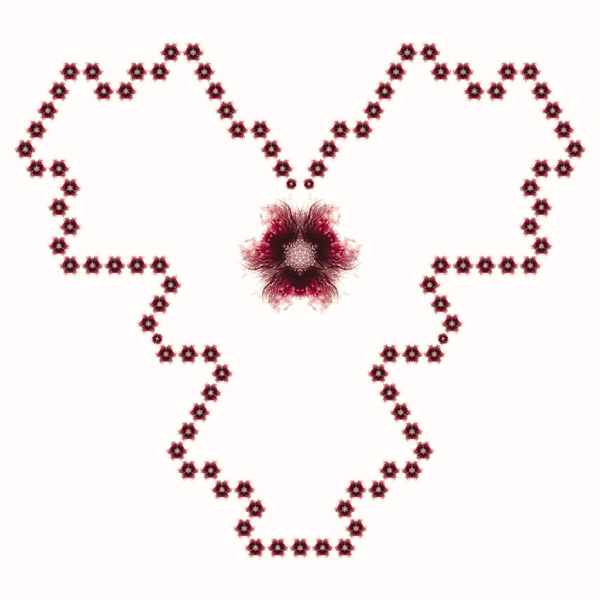
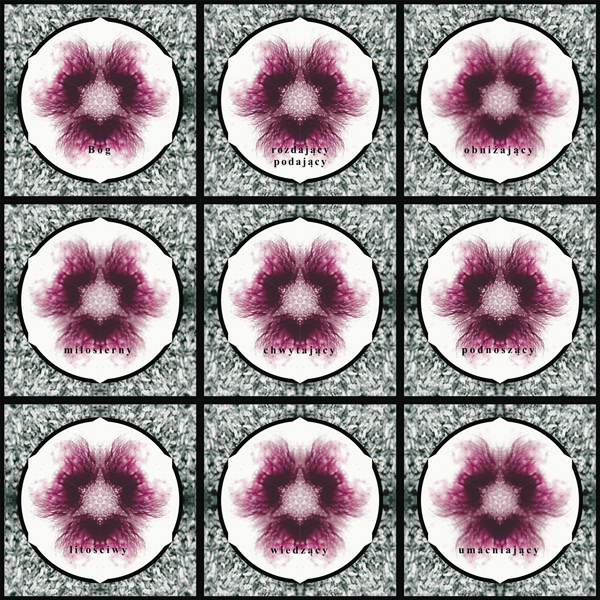
Projekt Aleksandry Polisiewicz Rosarium posiada już parę wariantów. Tytuł serii prac cyfrowych (animacje i grafiki) odnosi się jednocześnie do różańca i różanego ogródka. Pierwsza animacja z tego cyklu przedstawia sznur 99 pulsujących kwiatów ułożonych w symetryczny wzór na neutralnym tle. Ich ilość nawiązuje do subhy – muzułmańskiego różańca o 99 perłach, które symbolizują poszczególne piękne imiona Allaha. W innej realizacji różaniec został umieszczony na tle orientalnego dywanu o spiralnym wzorze. Jedna z najciekawszych animacji tego cyklu przedstawia pojedynczy pulsujący kwiat, któremu towarzyszą pojawiające się i niknące napisy pięknych imion Allaha. W jaki sposób powstały te dziwne formy kwiatowe? Silnie wyczuwamy w nich jakąś utajoną organiczną formę. Faktycznie – to zarejestrowany kamerą internetową fragment kobiecego sutka stał się materiałem wyjściowym animacji. Ta i dosłowna, i aluzyjna kobiecość zawarta w muzułmańskim różańcu silnie porusza. Można ją odczytywać jako krytykę pozycji kobiety w społeczeństwach islamskich, w których jej posłuszeństwo wobec mężczyzny, jej drastycznie podrzędna rola społeczna, motywowane są religijnie. Praca ma jednak swoje kolejne odsłony znaczeniowe.
Inspiracją, czy raczej bolesnym impulsem, dla powstania pracy stało się dla artystki jedno zdanie, pochodzące z Dzienników Zofii Nałkowskiej: …Armeńczyk, urodzony w Konstantynopolu i wędrujący jako kupiec po całej Turcji aż do Bagdadu (…) opowiadał nam o tych niezwykłych różańcach, robionych z wysuszonych czubków piersi Ormianek, pomordowanych przez Turków w czasie słynnych masakrów (Z.N., Dzienniki 1918-1929, Warszawa 1980, s.158). Ta krótka wstrząsająca informacja przytacza jeden z wielu aktów okrucieństwa wobec Ormian podczas ich eksterminacji w 1915 roku (było to pierwsze masowe ludobójstwo w XX wieku). Rosarium nie tylko upamiętnia pomordowane w czasie czystek etnicznych kobiety, lecz zdaje się odnosić do każdej prześladowanej społeczności, ma wymowę uniwersalną. Przypomina o rytmicznie powtarzających się w historii ludzkości aktach zbiorowej przemocy. Dociera też do innych ukrytych znaczeń, nasuwając kolejne traumatyczne skojarzenia. Dla artystki wstrząsający był zwłaszcza fakt wykorzystania fragmentów ciała pomordowanych ludzi do wykonania różańca – przedmiotu należącego do sfery sacrum. Byś może jednym z najgłębszych przesłań tego cyklu jest wskazanie na bolesny i podejrzany związek sacrum z przemocą, na okrucieństwa zadawane ludziom w imię fałszywie pojętej religii.
Joanna Turowicz
Not only women stigmas
The projects of Anna Baumgart and Aleksandra Polisiewicz are delicate and present aesthetic quality mixed with visual attractiveness, even though they are different in style and technique. At the first glimpse we may not recognize their hidden meaning containing the message which concerns very serious matters. Here you see the photographic portraits, each of them showing a pair of smiling women, some of them hugging each other. The realistic figures of brides wearing traditional wedding dresses. Mothers and growing up daughters – all young, pretty, looking as they were sister. There is a carpet with oriental pattern of the spiral, which is a background to the string of organic flowers in the mysterious, ornamental shape. The pulsating of the single flowers is mixed with the verbal message – flashing definitions of the beautiful and essential human features. Poetic visual narrations. On the photographs there appear dolour symbols known from Christian iconography: blazing and pierced hearts, the wreaths of thorns over the temples, the cup and bunch of grapes. Over the bare foot of the brides we can see wounds – the hints of Jesus Christ’s sufferings and sacred stigmas. The string of 99 roses refers to 99 pearls of subha (misabha) – muslim rosary, which is used to count beautiful names of Allah, defining His values. These religious hints form a code of hidden meanings, drawing out difficult and painful experiences from the darkness of unconsciousness, left there to be forgotten. Both artists refer boldly to their own experiences and sensitivity, presenting in a lyrical way their narrations.
>
The project of Aleksandra Polisiewicz Rosarium has already several versions. The title of the series of digital works (animation and graphics) refers in the same time to the rosary and the rose garden. The first animation of this series present the string of 99 pulsating flowers shaped in the symmetrical pattern with the neutral background. Their number refers to subha – Muslim rosary with 99 pearls, which symbolizes each of the beautiful names of Allah. In the other realisation rosary was located on the background of the oriental carpet with the spiral pattern. One of the most interesting animations of this series present single pulsating flower, which is accompanied by the appearing and disappearing inscriptions of the Allah’s beautiful names. How were this strange flower forms created? We get a strong feeling that there must be some kind of organic form hidden in them. As a matter of fact – this is a fragment of a woman teat recorded by the internet camera on which the animation is based. This feminine idea presented both literary and with allusion that you can find in the Muslim rosary is particularly moving and impressing. One can understand it as criticism of a position women hold in Islamic society, where her obedience to man, drastically inferior social role have religious origin. The Polisiewicz’ work is also open for other interpretations.
Inspiration, or rather the painful impulse which stimulated the artist to create this work, came from a single sentence written by Zofia Na³kowska in her Memories: …Armenian born in Constantinopole and wondering as a merchant around whole Turkey to the very Baghdad told us about this unusual rosaries made of the dried tops of teats of Armenian women murdered by Turks during notorious massacres. (Z.N., Dzienniki 1918-1929, Warsaw 1980, p.158). This short, shocking information relates just one of many other acts of cruelty against Armenians which took place during their extermination in 1915, and which was the first mass genocide in the 20th century. Rosarium is not only commemorating women murdered during ethical cleansing, but it seems to refer to every persecuted group of people and has universal message. The artist found it extremely shocking that parts of body of the murdered people were used to make the rosary, which is an object belonging to sacrum. Perhaps one of the deepest meanings of this series is the one that points out the painful and suspicious connection between sacrum and violence, the cruelty done to people in the name of falsely understood religion.
Translated by Marek Staszyc